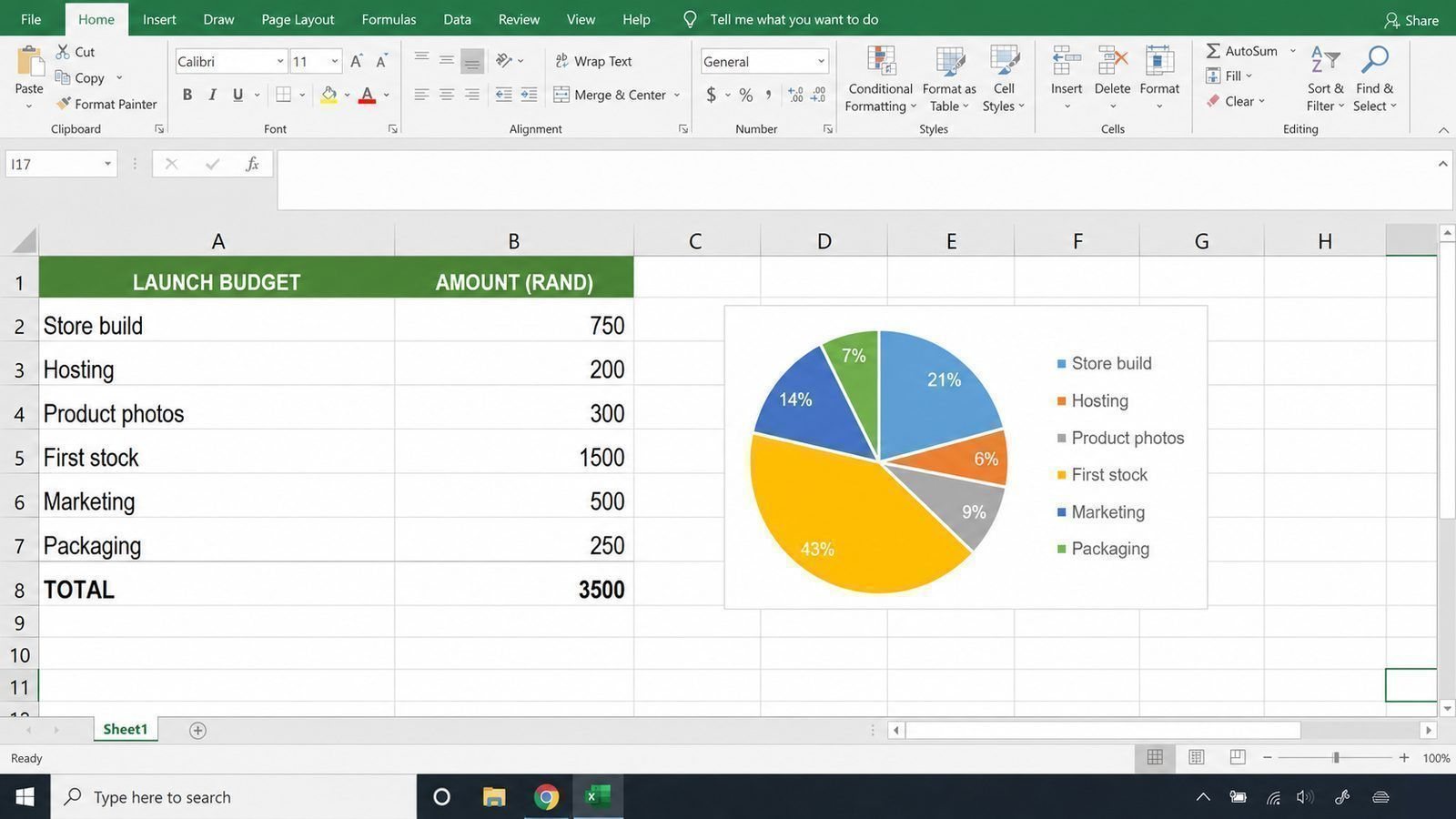
Hey! Let's turn your spaza's numbers into a plan a funder will actually respect. 📊
| Quick answer: spaza plans live or die on stock turns and basket maths; funders back shops whose records show real, repeatable numbers. |
Spaza shop funding is not a story about ambition 🏪. It is a story about stock turns, daily takings and the four metres of shelf that decide whether the shop makes money. Funders know this, which is why a spaza plan full of vision and empty of margins is declined quickly.
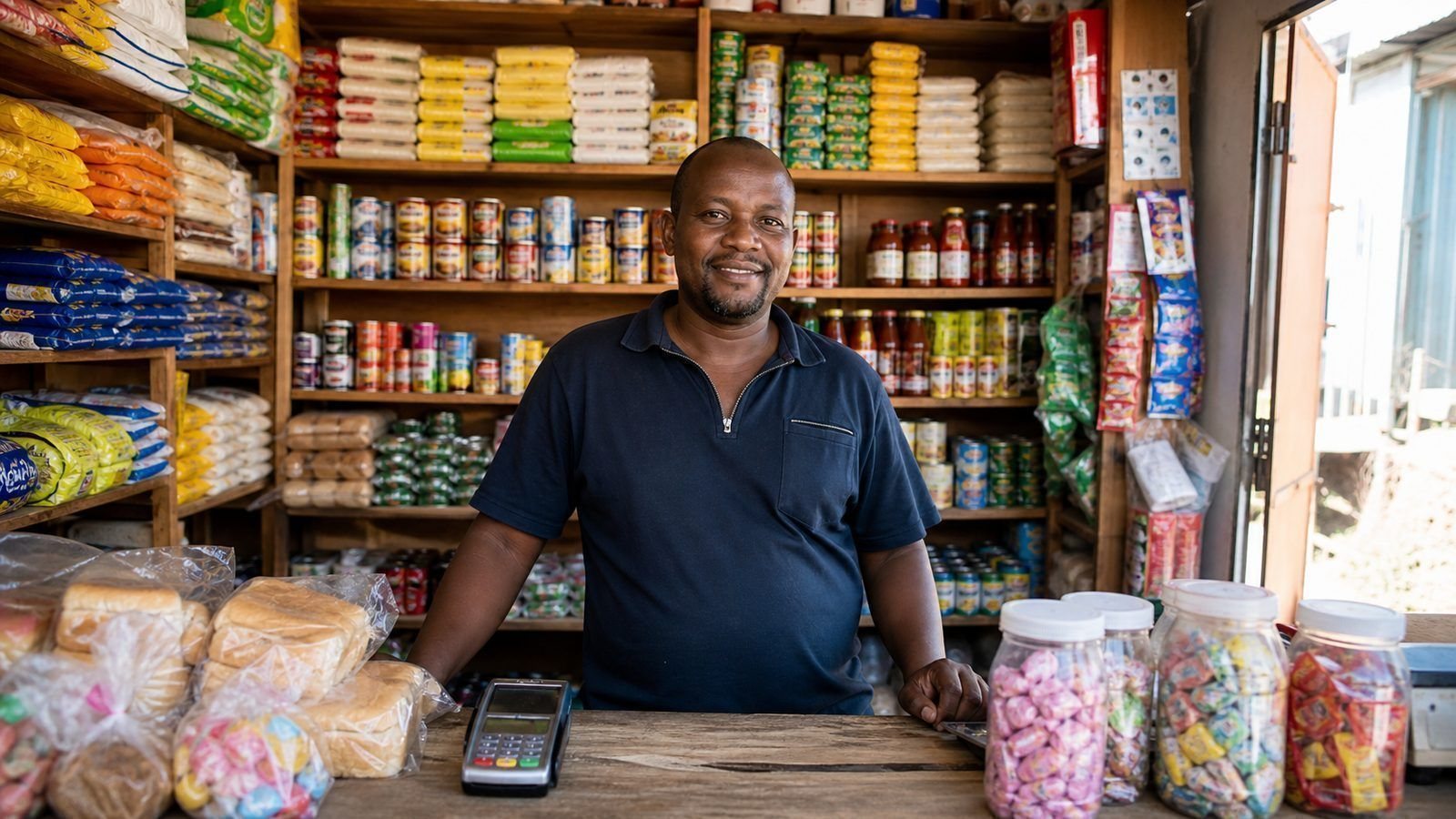
What a Spaza Plan Must Show
| Section | The number that matters |
|---|---|
| Location and customers | Foot traffic and competitor count within walking distance |
| Product mix | Your top twenty items by profit, not by popularity |
| Daily sales projection | Conservative customers per day × basket size |
| Stock | How many times stock turns per month, and what dead stock costs |
| Costs | Rent, electricity, airtime, transport, casual wages |
The Basket Maths 📦
If forty customers a day each spend R35, that is R1,400 a day — about R42,000 a month. From that come the goods (typically 70% – 80% of the take), rent, electricity and wages. Get these three numbers honest and the rest of the plan almost writes itself. Funders trust small, specific numbers far more than a promise of R150,000 a month in year one.

What Funders and Suppliers Ask 🕒
- Who else sells the same goods within a few streets, and why will customers choose you?
- How will stock be bought, and at what price, from which wholesaler?
- What happens in month one if sales are 30% below projection?
- Who works in the shop, for what wage, and on which days?
Choosing the Shelf Mix
Spaza sales are won on the top twenty lines: bread, airtime, cold drinks, maize, sugar, snacks, cigarettes, paraffin, eggs, and the few items your immediate neighbours cannot buy within walking distance. Those lines should never run out; almost everything else is optional.
Watch two numbers per line: how often it sells, and what profit it leaves. A cheap high-volume item that sells daily beats a fancy item that sits for three weeks with the same rand tied up in it. Cutting the slow lines quietly frees cash and shelf space for the ones that turn.
Credit, Hours and the Neighbourhood
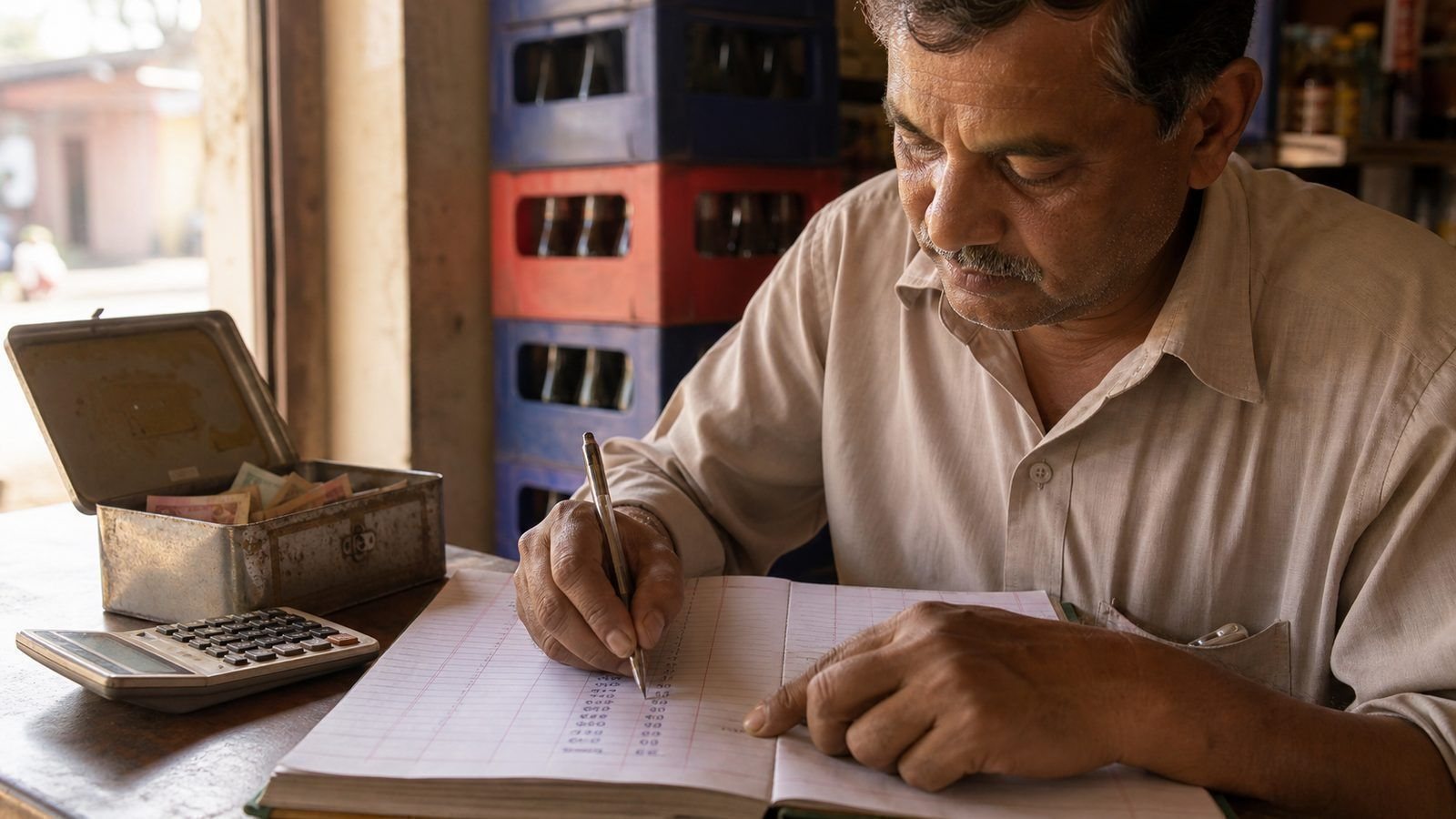
Two operational decisions decide whether a spaza thrives: hours and credit. If the shop opens at 6am and closes at 9pm, it catches the commuter trade twice a day. If it offers credit, it must be written in a book with a limit and a day for settling — verbal credit is where spaza profits disappear.
Then safety and stock control: count the high-value items weekly, keep a record of deliveries, and never let one person hold all the cash and all the records. These are boring rules that keep a very practical business alive.
The Weekly Routine That Keeps Books Straight
Monday: record the weekend takings and bank the cash. Tuesday: review which top twenty lines need reordering. Wednesday: pay suppliers and record delivery notes. Thursday: check credit customers and follow the ones past their day. Friday: count stock on the high-value lines and write next week’s buying list. Saturday: review the week’s figures next to last week’s and note one thing to improve.
Seven short sessions, about ten minutes each, are the entire administrative system a spaza needs. Shops that run this routine can answer any question a supplier, funder or buyer asks — and shops that skip it spend their energy rediscovering information they already had.
Five Numbers a Funder Will Check
| Number | What it proves |
|---|---|
| Daily takings | There is real demand, not hope |
| Gross margin per line | You know which stock makes money |
| Stock turn | Cash is not trapped on shelves |
| Monthly costs | The break-even point is understood |
| Credit given out | Risk is managed, not ignored |
A spaza owner who can state these five numbers from memory is a better credit risk than one with a longer plan and vaguer figures. Learn them, then write them down.
Buying Trips and Supplier Accounts
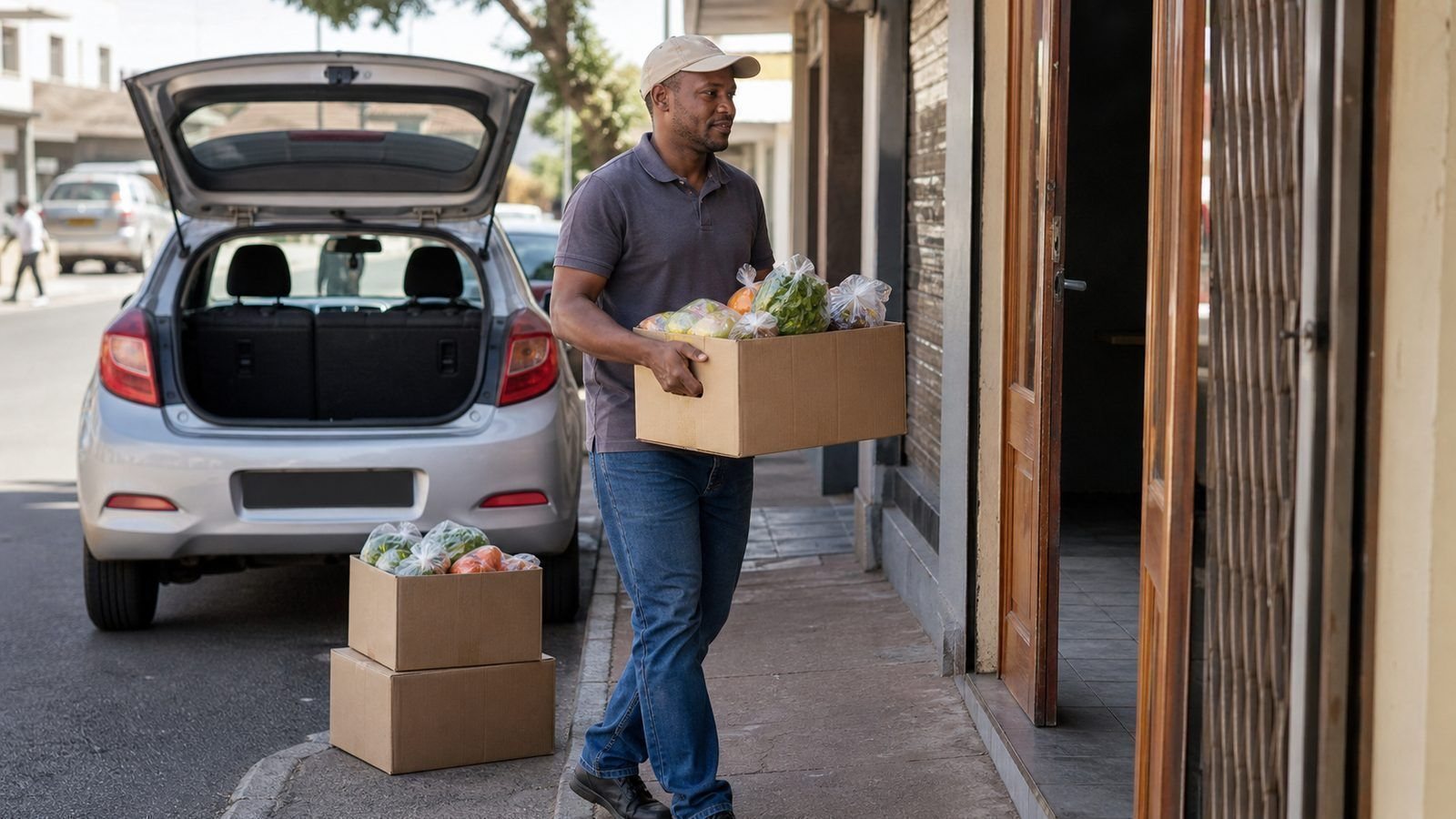
Stock is where a spaza makes or loses its money, and the buying trip is where that gets decided. Start by buying in cash from the wholesaler or cash-and-carry nearest to your route, and go with a written list built from what actually sold, not from what looks appealing on the shelf.
Once your purchases are regular, ask for a supplier account. Credit terms — even seven days — give you stock before the cash leaves your pocket, which is the cheapest working capital a small shop will ever get. Keep the account current, because a supplier who trusts you is a second line of funding when a big order arrives.
Write every delivery and every payment in one book. That record is what proves you deserve the terms you are asking for.
| Four numbers that make a spaza bankable Basket size. Baskets per day. Stock turn on the top 20 lines. Gross margin. Four numbers, written weekly, beat a shoebox of slips — and they are exactly what a funder asks for first. |
Frequently Asked Questions
Do I need a registered company?
Many funders prefer it. Registering also unlocks a business bank account and supplier accounts.
How much funding does a spaza shop need?
Usually the equivalent of one to three months of stock, plus a small amount for equipment. Scale requests to the turnover you can prove.
Should the plan mention competition?
Yes, honestly, and then explain your specific advantage: hours, location, credit terms, freshness, or service 💰.
How much stock should the shop hold?
Roughly one to three weeks of your proven turnover, plus a buffer on the top twenty lines. Too little stock costs sales; too much ties up cash you need for the next buying trip.
Do I need a bank account for the shop?
It helps enormously for buying, records and any future funding. Separate shop money from household money from the first week — even if it is one account and two careful columns.
A plan that answers the funder’s questions before they ask. See business plan packages — from R3,400Ask for a plan quotation |