Hi! Let's compare logo packages honestly, so you know exactly what belongs in yours. 🖨️
| Quick answer: compare packages on files, usage rights and revisions — not on how many concepts they wave at you in the pitch. |
Two packages, both called “logo design”, one at R1,200 and one at R4,500 📦. The difference is almost never the drawing — it is the contents of the folder that arrives afterwards. That folder is what your printer, sign writer, embroiderer and social media manager will ask for repeatedly.
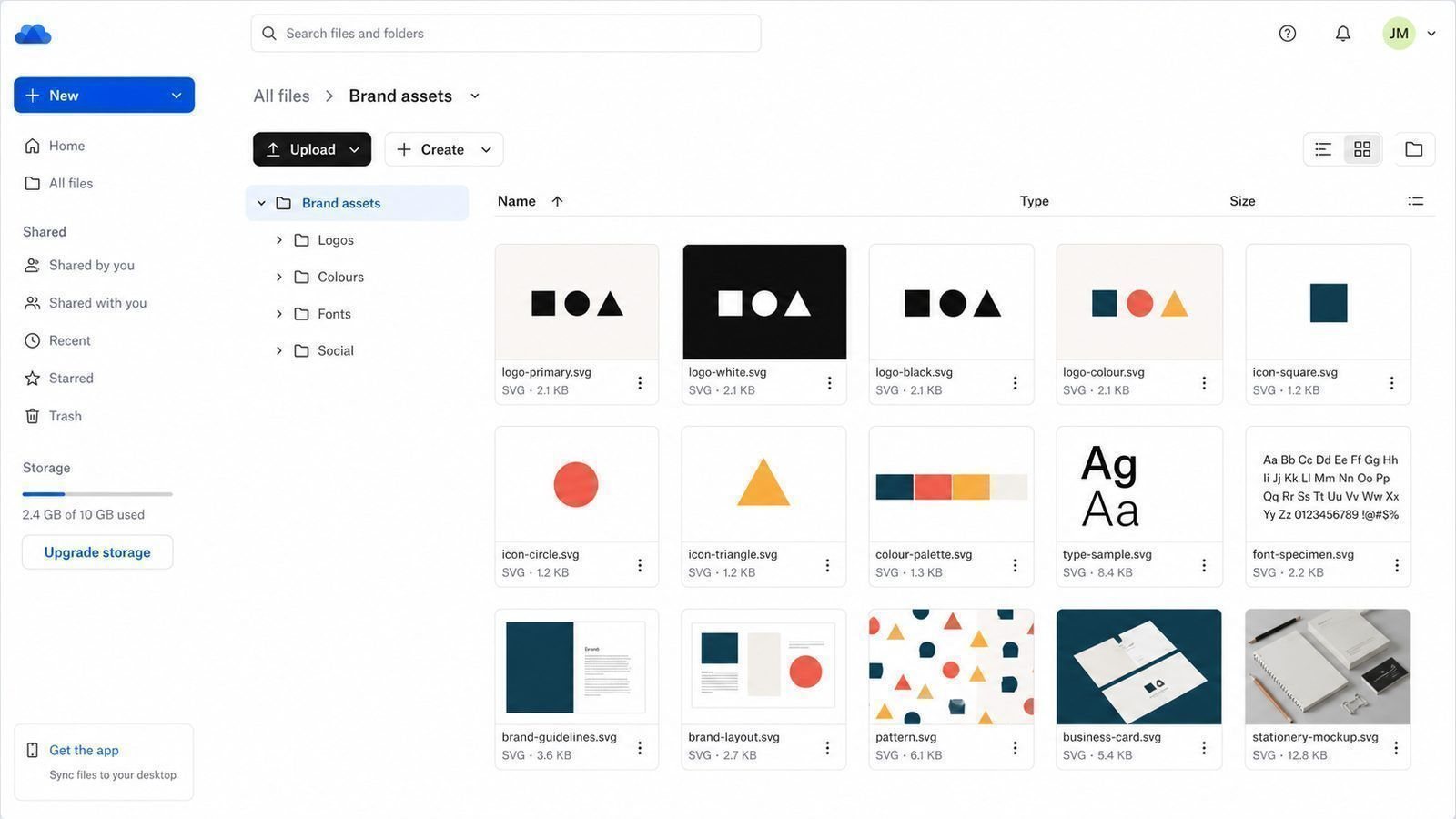
What a Complete Package Contains
| Item | Why it exists |
|---|---|
| Vector file (SVG / EPS / AI) | Scales to a wall or a business card without blurring |
| Transparent PNGs | Documents, email signatures, profile pictures |
| Print-ready PDF | |
| Square and stacked versions | Profile pictures and tight layouts |
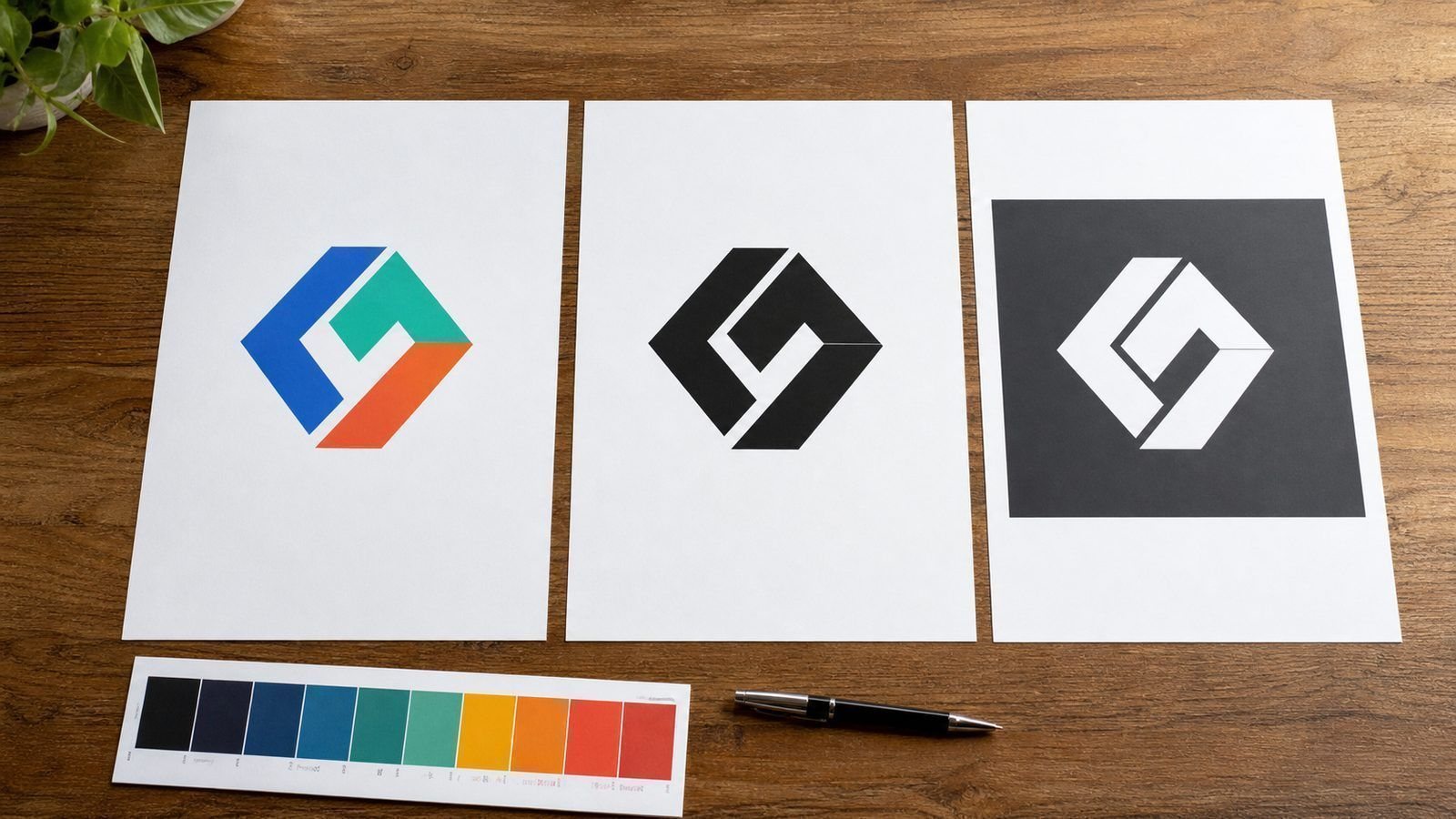
| Black and white / reversed | Stamps, one-colour print, dark backgrounds |
| Colour guide | So every future design matches |
Rights: The Line That Matters ✅
Confirm in writing that all rights to the finished artwork transfer to you when the invoice is paid. If the package does not say that, ask. A logo you cannot use on merchandise, or cannot take to another designer, is not really yours — and it is the sentence nobody reads until it matters.
Social Media Sizes 🌈
Your logo will spend most of its life at 110 pixels next to a name. A package should include a square version that survives that size, plus a horizontal version for documents — the two formats that cover ninety percent of daily use.
Comparing Packages Fairly 🔁
- Number of original concepts, not revisions
- The exact file formats listed by name
- Colour and black-and-white versions included
- Ownership stated, not implied
- Delivery date in writing
The Brand Mini-Guide
You do not need a hundred-page manual. One page is enough: the logo in its main version, a square version, a one-colour version, the exact colours with their codes, the two fonts, and three rules — minimum size, clear space around the mark, and never distort or recolour it.
Give that page to anyone producing something with your brand: the printer, the sign writer, the embroiderer, the person running your social accounts. Half of small business brand inconsistency is simply nobody owning the page.
Version Control for Your Own Files
Keep your brand folder tidy and versioned: master files, exported formats, print files, and a social media folder with square and horizontal versions. Date each file when you receive it and keep a note of who made it, so a change two years from now does not require a forensic search.
Store the folder in your own cloud account and give access rather than handing files out. Every business that has ever hunted for its original logo in someone else’s long-closed inbox has learnt this lesson the hard way.
Asking for Your Files
When the work is done, one polite email settles the important part. Ask for the vector file, transparent PNGs, print-ready PDF, one-colour version, and the exact colour codes — with written confirmation that the artwork is yours and may be used by any printer or supplier. Ask for them in a shared folder rather than a chat attachment.
Keep that folder in your own cloud storage, and save the email. Years later, when a new supplier asks for print-ready artwork, the answer will be a link rather than a search through old conversations.
What to Test Before You Accept the Logo
| Test | Pass condition |
|---|---|
| Thumbnail size | Still readable at 40 pixels wide |
| One colour | Works in black and white with no detail lost |
| Dark background | A reversed version exists and holds up |
| Print at scale | Looks clean enlarged to a metre wide |
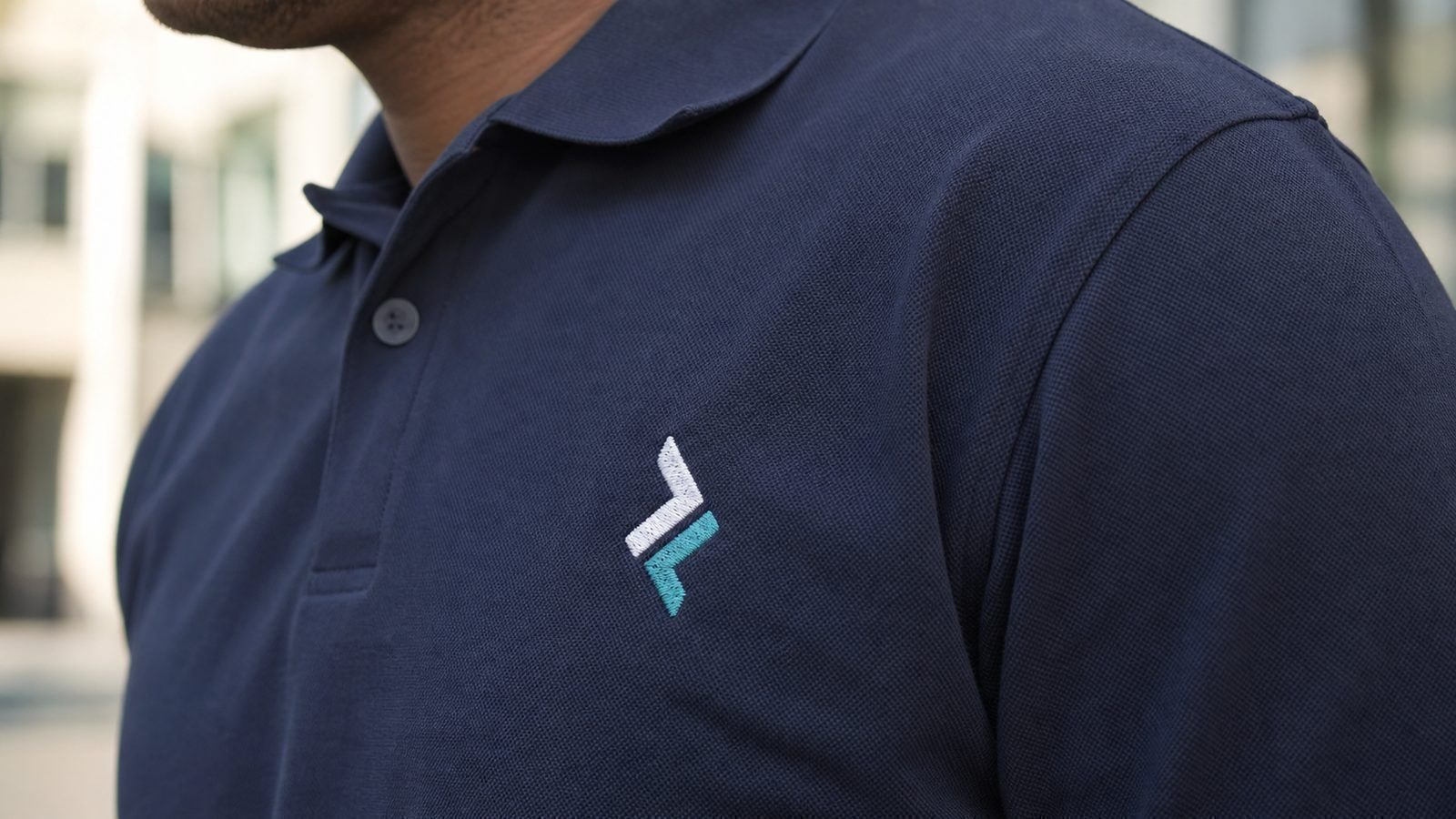
| Small embroidered proof | Simplified version sewable on a shirt |
Five tests, twenty minutes, before the final invoice is paid. Nearly every disappointing logo would have failed at least one of them — and every one of those failures was visible on the drawing board, not on the invoice.
When to Buy the Next Piece
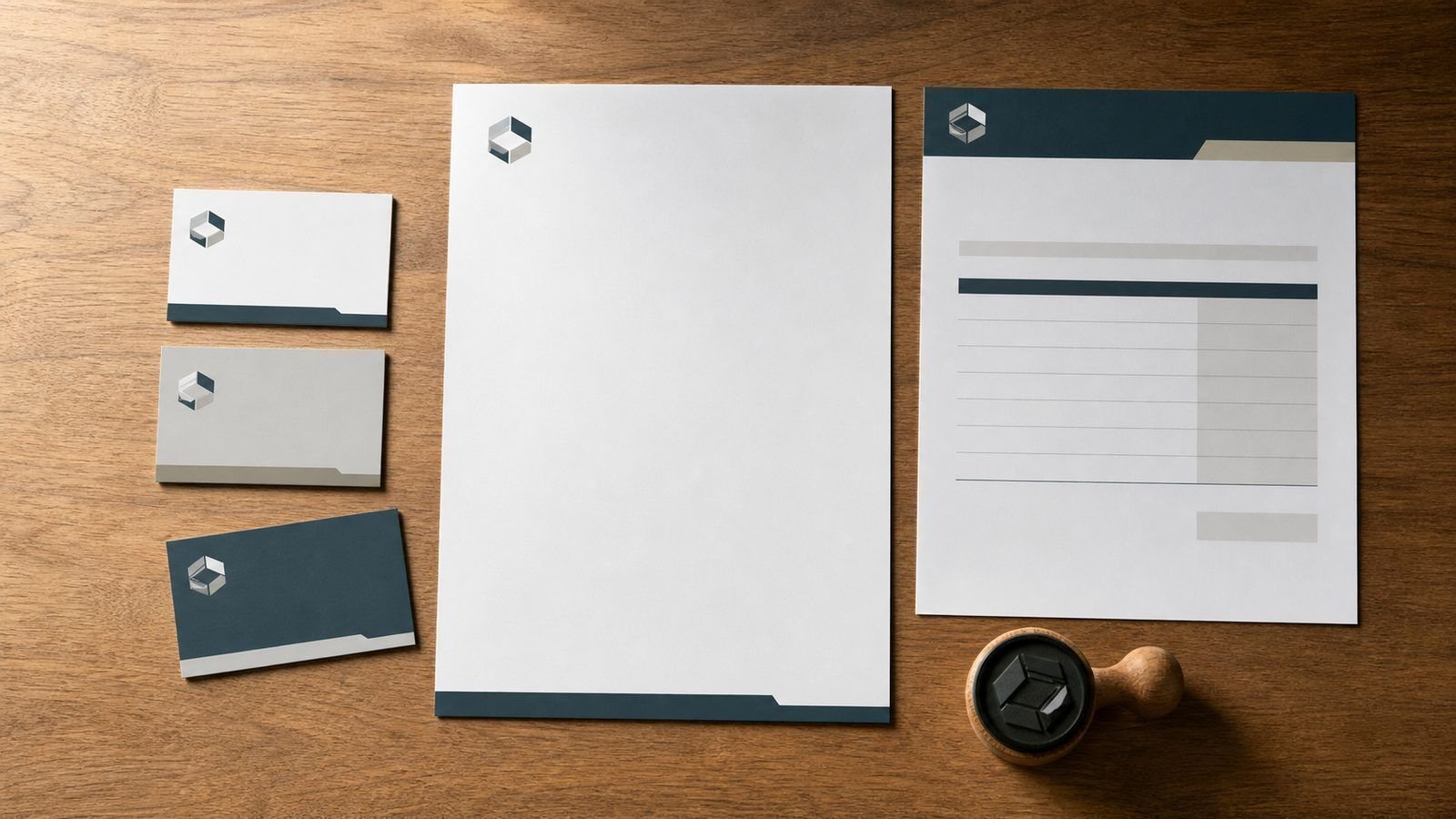
A logo package is usually enough for a young business, and identity systems can wait. Buy the next piece when something specific demands it: stationery when quotes and invoices go out weekly, a social media kit when three people are posting, signage versions when a physical premises appears, and a guideline document when suppliers keep using the wrong colours.
Each of those triggers has a cost attached to not solving it, which is how you know the spend is justified rather than aspirational. Buying a full identity pack for a business with one product and one channel is like buying a building for a shop you have not opened yet.
Upgrade in the order your work demands, and every purchase will still look right two years later.
Frequently Asked Questions
How many concepts should I expect?
Two or three serious directions. More than that usually means the brief was vague.
What if I want changes after delivery?
Small tweaks are usually free in the first weeks; new directions are a new job. Agree this upfront.
Do I need a full identity pack?
Only when your brand appears on many surfaces — packaging, vehicles, branches. Otherwise a solid logo package is enough.
What if the package does not mention ownership?
Ask before you pay. Get a sentence in writing that the artwork is yours on final payment and may be used by any supplier. It is the cheapest question in design and the most expensive one to skip.
What is a reasonable revision policy?
Two or three structured rounds within the agreed direction. Changes of direction after approval are normally a new job — agree that boundary in writing before work starts.
Can the logo be used on clothing?
Yes, with the correct file: embroidery usually needs a simplified, slightly heavier single-colour version, which should be part of a complete package.
A logo is doing a job either way — make it a good one. See logo and branding packs — from R1,300Get my free branding quotation |