Hello! Stick with me and we'll sort out exactly what upkeep should cost you each year. ⏱️ ✅
| Quick answer: light maintenance sits around R150–R600 a month; neglect costs more later, because broken forms and old plugins quietly chase customers away. |
Maintenance is the insurance policy nobody reads until the claim 🛠️. A site that is never touched does not stay still — it slowly drifts out of date as browsers, security patches and form settings move on around it.

What a Maintenance Plan Should Cover
| Task | Why it matters | Expected monthly price |
|---|---|---|
| Updates and security patches | Closes holes attackers use | R150 – R250 |
| Daily backups and one test restore | Turns a disaster into an afternoon | Included above |
| Uptime and form monitoring | Catches silent failures | R50 – R150 |
| Small content changes | Prices, hours, staff, specials | R250 – R600 |
The Repairs That Get Expensive 🩹
A hacked site costs cleaning, hardening and sometimes a rebuild. A broken checkout during a campaign costs the campaign. A form that stopped sending in March costs every enquiry since March — usually discovered in July, by a customer who mentions it. None of these are exotic; all of them are routine for unmaintained sites.
Do It Yourself, Honestly 🧾
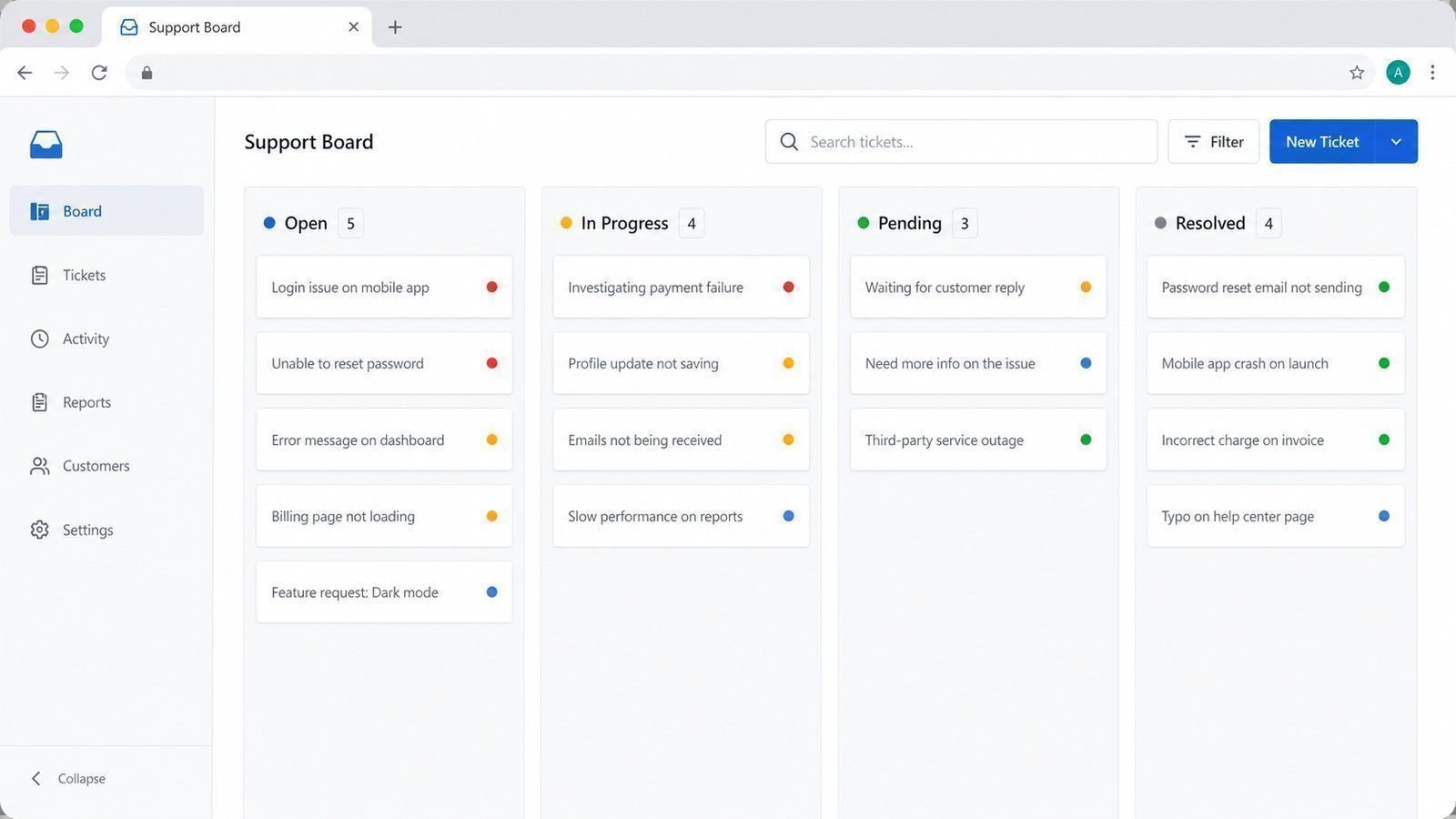
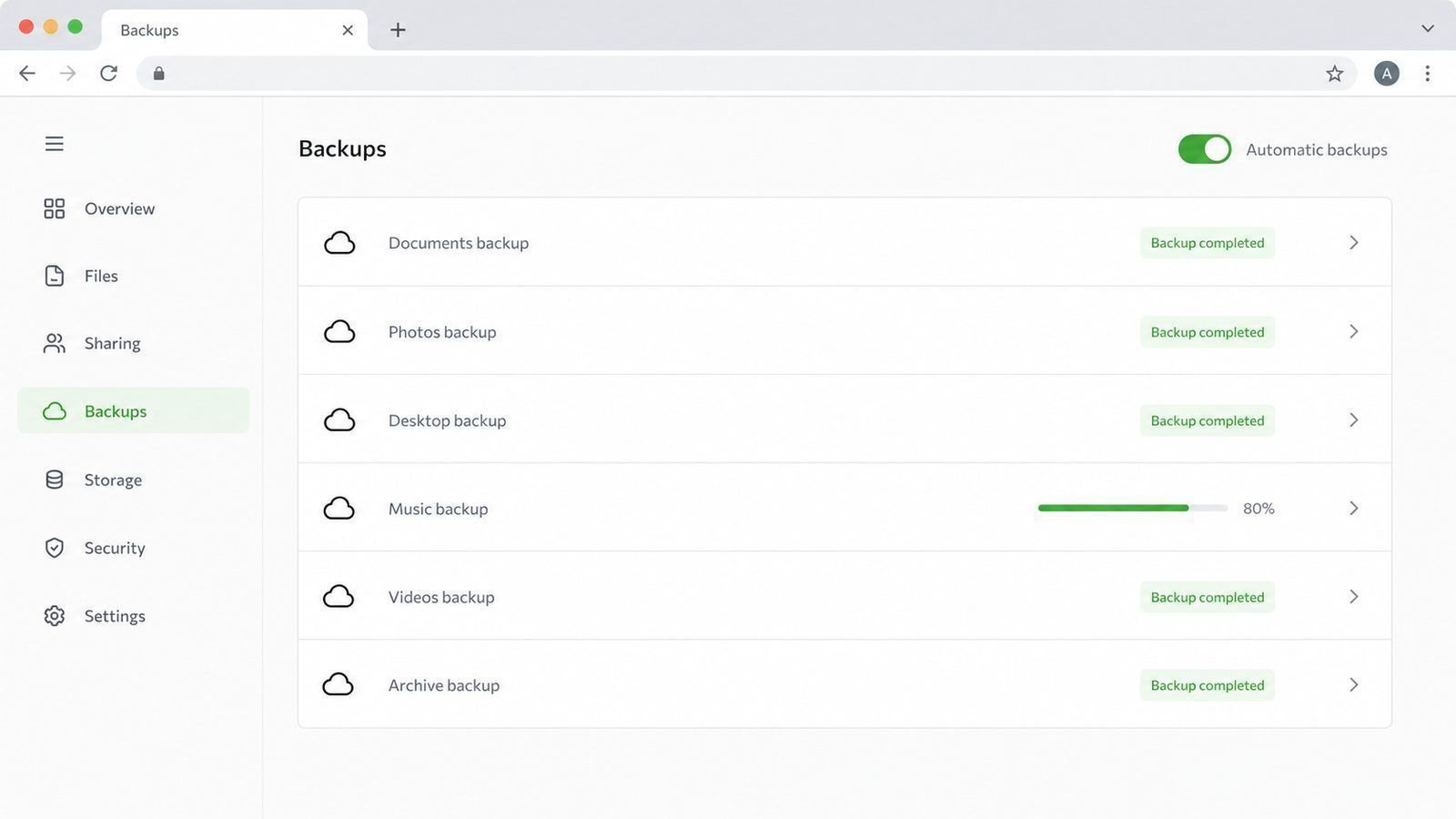
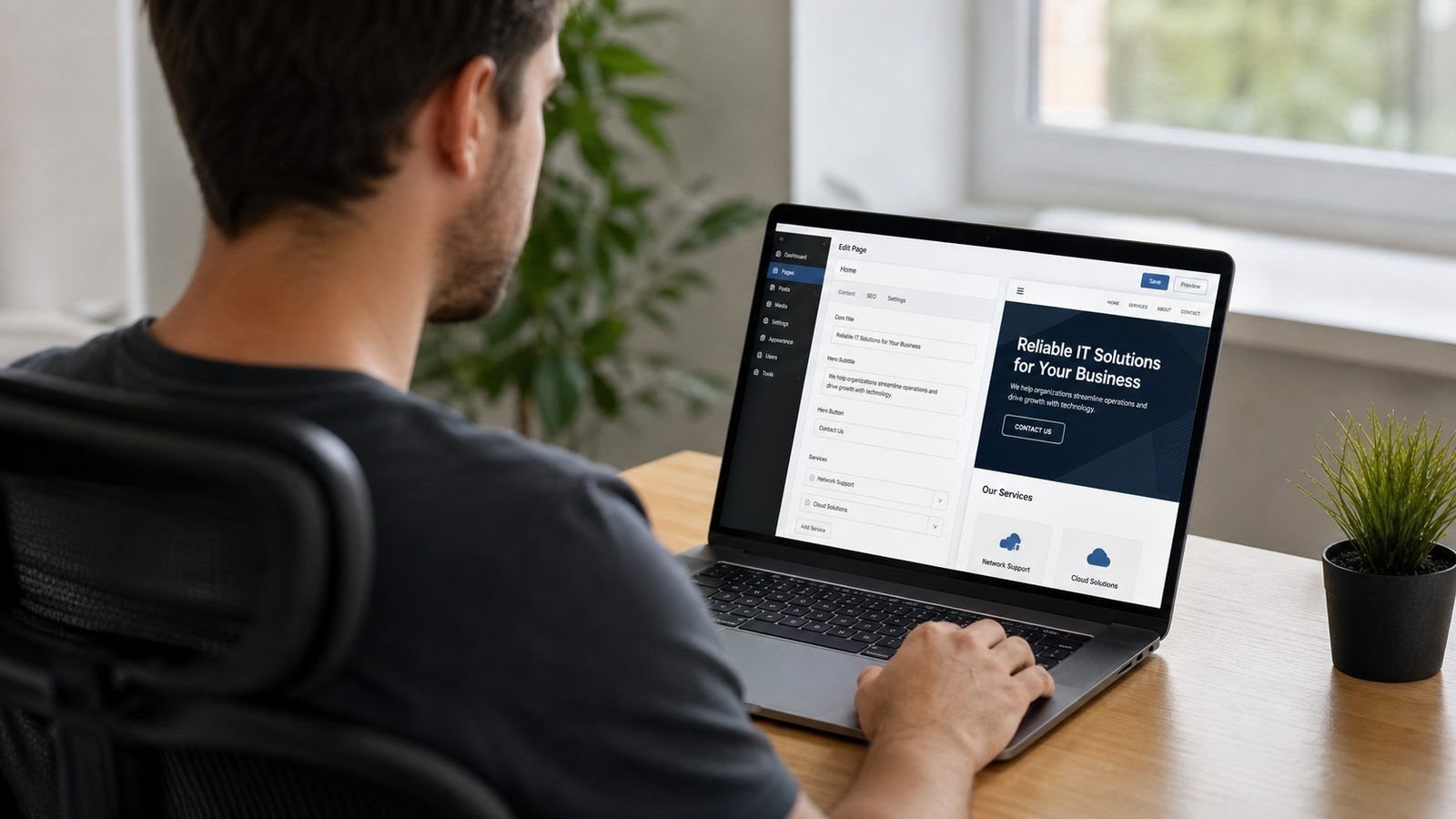
If you are comfortable in the dashboard, a monthly routine takes about an hour: run updates, check the form, glance at the backup log, confirm the padlock. Half the businesses that do this never need a paid plan. The other half discover, mid-crisis, that they should have paid the R300.
The Emergency List
There are five failures worth keeping help nearby for. A form that stops sending, a padlock that breaks, a site that will not load, a hacked page appearing in search results, and a Google ranking that vanishes after an update nobody remembers approving.
For each, know three things in advance: who you will phone, what it should cost, and what information they will ask for. Keep that on one page — hosting login, domain registrar, the person who built the site, and a recent backup location. Businesses that have this page lose hours in a crisis; businesses that do not lose days.
The Cost of Doing Nothing
The honest maths of skipping maintenance: one hacked site costs cleaning and hardening; one broken checkout during a campaign costs the campaign; one dead form discovered months late costs every enquiry since it quietly stopped. Each individual repair is often R1,000 to R10,000 — while a year of basic maintenance is usually under R4,000.
There is also the search angle. Search engines drop slow, insecure sites, and a site that has fallen out of favour takes months of work to bring back. Maintenance is not a fee for doing nothing. It is the fee for staying where you already are.
A Ten-Minute Monthly Check You Can Do Yourself
Set a recurring reminder for the first working day of the month. Open the site on your phone using mobile data, not office wifi. Send a test enquiry through the contact form and confirm it arrives. Submit the newsletter or booking form if you have one. Check that the padlock icon still shows. Look at the last backup date. And glance at your analytics to see whether traffic and enquiries are moving in the same direction.
That is the whole routine — ten minutes, four touchpoints, one backup. Businesses that do it catch problems while they are still cheap; businesses that do not usually meet their problems through a customer who was trying to pay them.
The Three Maintenance Tiers
Maintenance is usually sold in three shapes, and knowing them helps you buy the right one.
| Tier | Monthly | Covers |
|---|---|---|
| Check-up | From R200 | Updates, backups, a monthly contact form test |
| Care plan | R350 – R700 | Updates plus an hour of small content changes |
| Managed | R800+ | Security monitoring, speed checks, priority support |
Start at check-up, move up only when the monthly change requests make it cheaper than paying per job. Most small business sites never need the third tier, and the plan is worth having even when nothing appears to change — because the updating is the point.
The Cost of a Quiet Failure
The worst website problem is not a dramatic outage — it is the contact form that stopped working in March and nobody noticed until June. No error page, no warning, just silence where enquiries used to arrive. New businesses notice within a week; established ones can lose a full quarter before a client mentions the form “not working that time”.
The cure is the test you already know: submit your own form monthly and confirm the message arrives. Two minutes, once a month, on the first working day. Store the test emails in a folder so you can see exactly when the stream stopped if it ever does.
Do that and maintenance turns from an abstract monthly fee into a specific advantage: you find your own problems before your customers do.
Frequently Asked Questions
Is maintenance compulsory?
No, but hosting without backups or updates is a business running without brakes. If you skip a plan, replace it with a routine you actually keep.
Should maintenance be a percentage of the build?
Roughly 10% – 20% of the build cost per year is a sane anchor. Beyond that you are paying for features you do not use.
Can I change providers?
Yes, if the domain, hosting and admin logins are in your name and you have current backups. That is the entire handover checklist.
Can my own staff do the monthly checks?
Yes, and for many small businesses that is the right answer: one hour a month for updates, a form test, a backup check and a speed glance. If nobody in the business will reliably do that hour, pay for the plan.
What should a maintenance report show?
What was updated, what was tested, and what needs attention next. If the report is just an invoice, ask for one line of evidence per task — any provider should be able to supply screenshots or logs.
Your website could be bringing in enquiries next month. See website prices — from R2,000Get my free website quotation |