Welcome! We'll look at your plan through a funder's eyes and fix what slows approvals down.
| Quick answer: funders read the summary and the financials first; a clean cash-flow story beats forty pages of enthusiasm every time. |
Funders do not read business plans the way a novel is read 📄. They read the summary, then the money, then a sample of the middle. Which means the effort most applicants spend on elegant prose is spent in the wrong place — and the two pages that decide everything are usually the weakest.
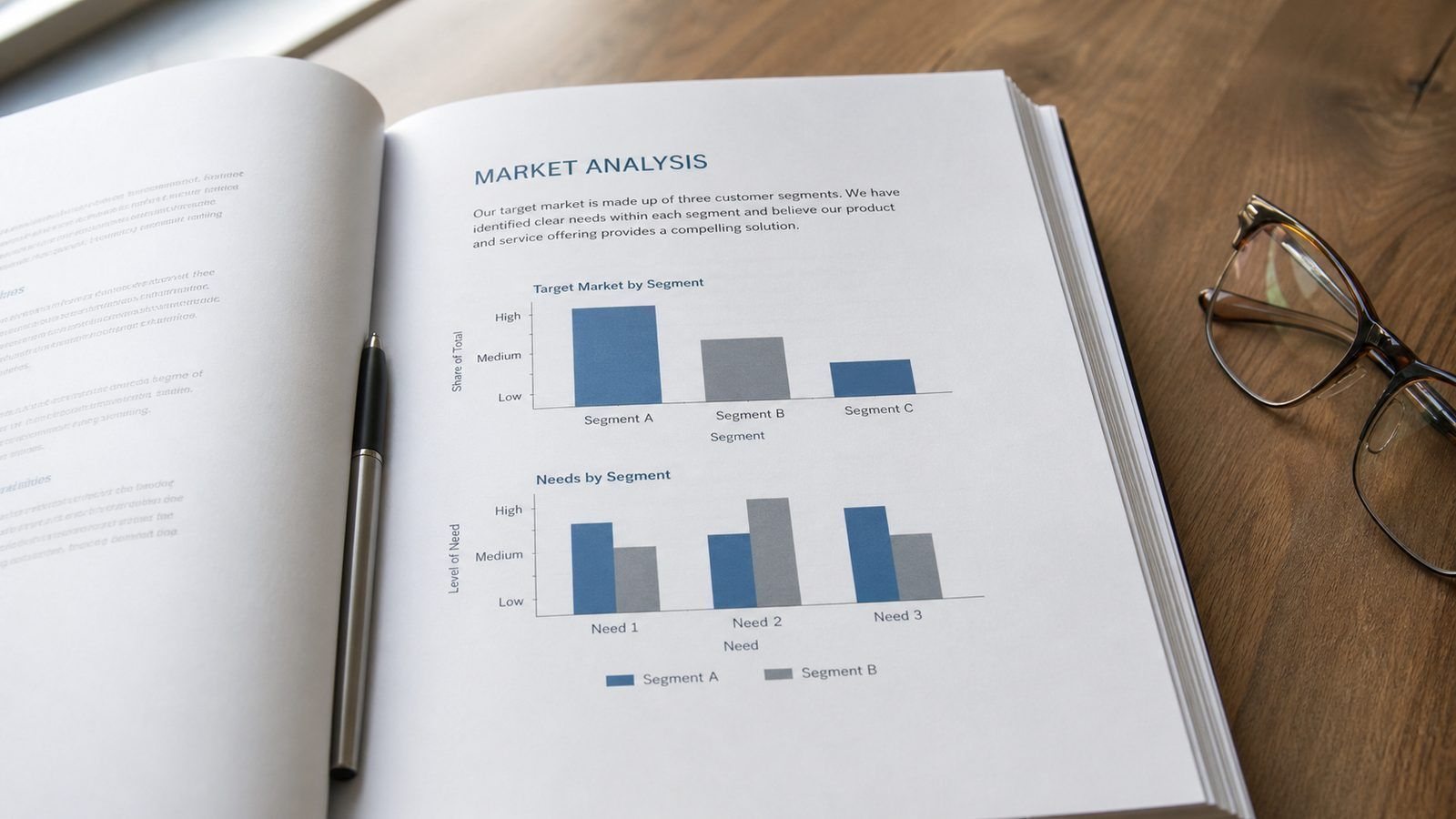
What Funders Read First
| Order | Section | What they are checking |
|---|---|---|
| 1 | Executive summary | Do I understand the business in two minutes? |
| 2 | Financials and funding request | Are the numbers coherent and repayable? |
| 3 | Market and customers | Is there proof people will buy? |
| 4 | Operations and team | Can these people deliver it? |
The Financial Pages That Decide It 🧮
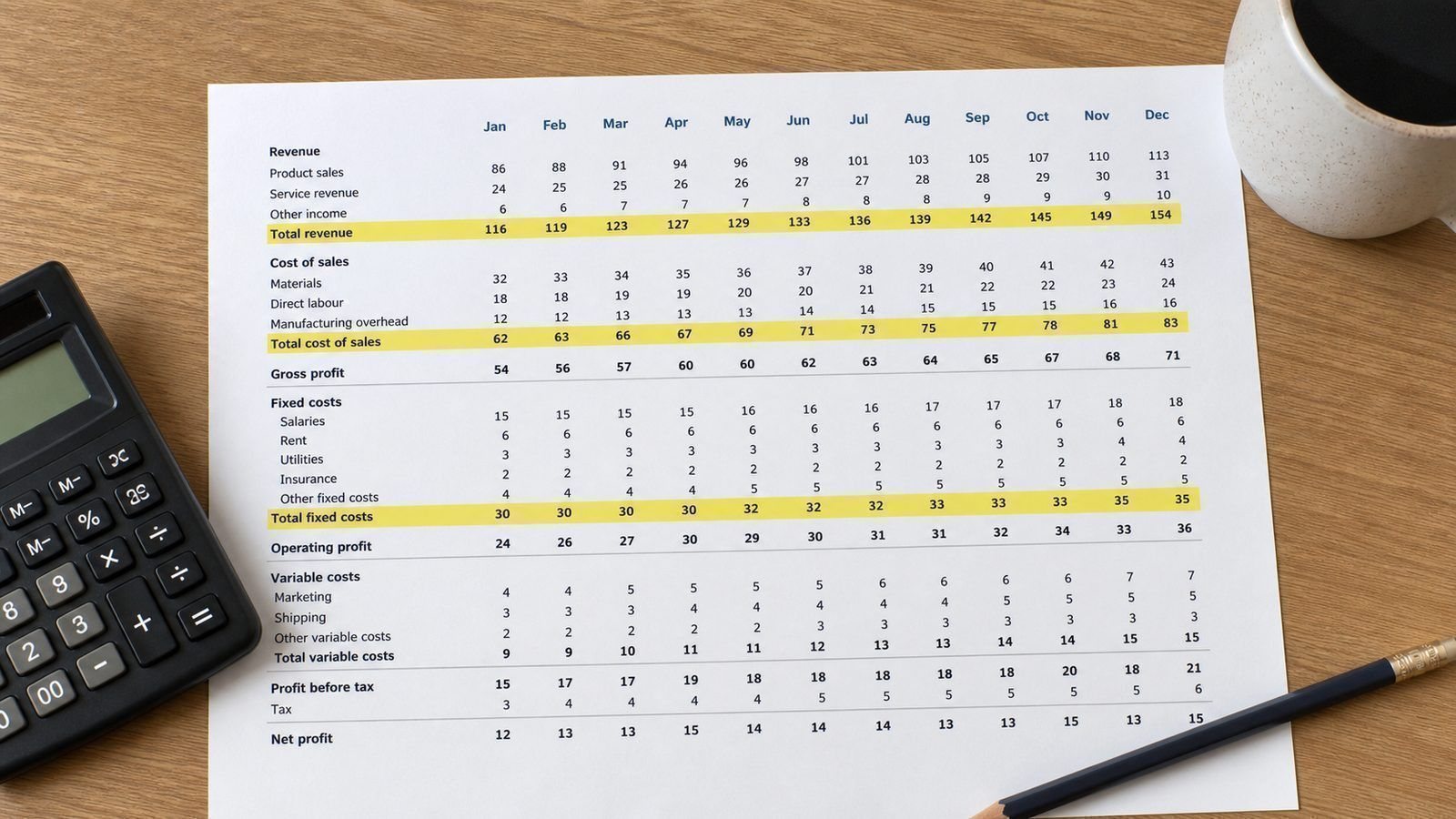
Show monthly figures for twelve months, not annual totals: sales, cost of sales, fixed costs, what is left. Then show the funding request, what each rand buys, and how the money comes back. Funders are not looking for optimism; they are looking for arithmetic that survives contact with a slow month. An application that shows a realistic worst month and how you survive it is far stronger than one that shows growth in every single line.
The Supporting Documents 🎯
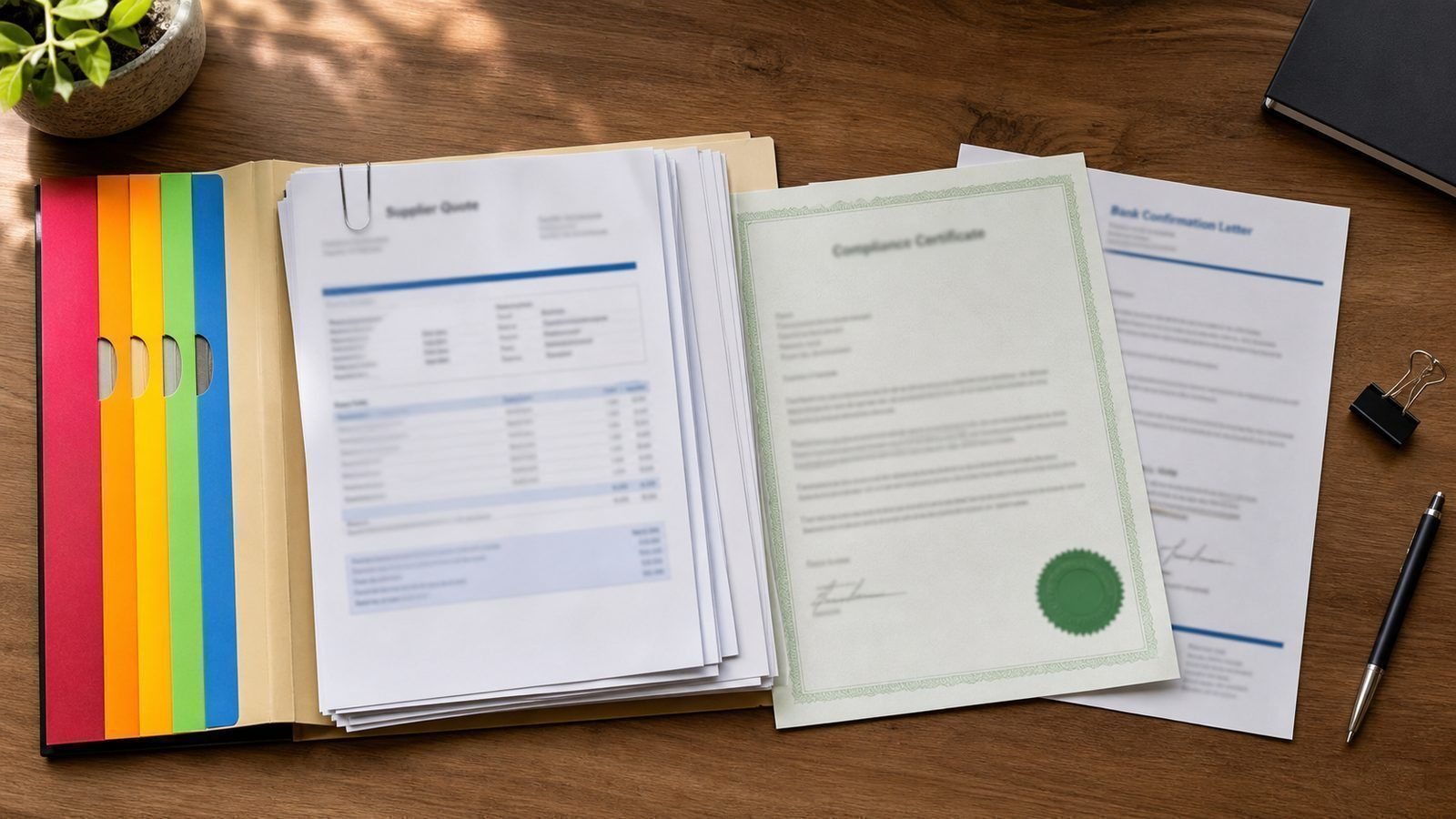
- Company registration and directors’ details
- Tax compliance status — current, not expired
- Bank statements for six months, and permission to verify
- Quotes for the assets or stock the funding will buy
- IDs, addresses, and any industry licences you hold
Most declined applications in South Africa are not declined for the idea. They are declined for expired documents, missing quotes or statements that do not match the plan’s numbers. Tidy the pack before you refine the language.

The Five Sinking Mistakes
Inflated sales projections nobody believes. Financials that contradict the narrative. A funding request with no itemised use. A team section that is only the owner. And a plan copied from a template without a single number from your own business. Each one alone can sink a decent application 💹.
Interview Preparation
If your plan gets shortlisted, the interview decides it. Prepare to answer five questions without notes: why this business, why you, how the money is used line by line, what happens if revenue is half of projection, and when the funding is repaid or reported on. Practise aloud once, with a friend who interrupts — interruptions are the difference between a presentation and a conversation.
Bring the physical pack to the meeting: registration, compliance, statements, quotes, and a printed plan. Funders judge preparation as a proxy for how the business will be run, which is fair: nobody who cannot assemble documents in a week will manage a monthly reporting obligation for two years.
Reporting After the Money Arrives
Whatever the funder requires, keep a simple internal record: what was received, what it bought, what the months did, and what changed in the plan. Quarterly, write it up in a page. This pays off twice — it keeps the relationship healthy for future rounds, and it builds the discipline lenders and investors want to see next time.
Most funding relationships sour over silence rather than underperformance. A business that tells a funder early that a month missed target, with a reason and a correction, is treated very differently to one that goes quiet and reappears two months late with a story.
The Numbers Funders Will Test
Bring these to the meeting and know them by heart: revenue for the last six months, gross margin, monthly fixed costs, break-even sales, the exact amount requested, and the repayment or reporting schedule you are proposing. Assessors test numbers against the plan and against each other, so a figure that only exists in one of the two documents invites doubt over everything else you have said.
Practise saying the break-even number out loud. Owners who can state what they must sell each month to survive sound like operators. Owners who cannot sound like applicants, and applications are what get funded least often.
What Makes a Funder Say Yes
| Signal | What it tells the assessor |
|---|---|
| Numbers match the narrative | The owner runs the business on facts |
| Quotes attached | The money has a plan |
| Compliance is current | Low administrative risk |
| A worst month is discussed | The owner is realistic |
| The team is more than one person | The business survives a busy week |
| Reporting is accepted | The relationship will be easy to manage |
None of these requires perfect performance. All of them require preparation, which every applicant controls from the moment they decide to apply.
| Red flags funders spot instantly A sales hockey stick with no cost line. No owner salary. “Conservative” growth of 300%. Cash flow that never dips. Annexures referenced but missing. Fix these five and the pack reads like an adult wrote it. |
Frequently Asked Questions
How long should a funding business plan be?
Twenty-five to forty pages is plenty. Depth in the financials beats length in the prose.
Can I use a template?
Yes, as a skeleton — but every number must be yours, and every promise must be one you can defend in an interview.
What if my business is brand new?
Funders accept that. Bring proof of demand: pre-orders, letters of intent, a pilot, or paying customers from a small test 🏦.
Do funders read the whole plan?
Rarely on the first pass. They read the summary, jump to the financials, then sample the middle. Write for that behaviour: a strong opening page, immaculate numbers, and clear headings through the rest.
Can I apply to several funders at once?
Yes, and serious applicants often do — keeping each application honest about the others. Never submit the same motivation document unchanged; each funder weighs different criteria.
What if my projections miss badly in year one?
Report it early with the cause and the fix. Funders have seen bad months before; what they remember is how the owner behaved when it happened.
A plan that answers the funder’s questions before they ask. See business plan packages — from R3,400Ask for a plan quotation |