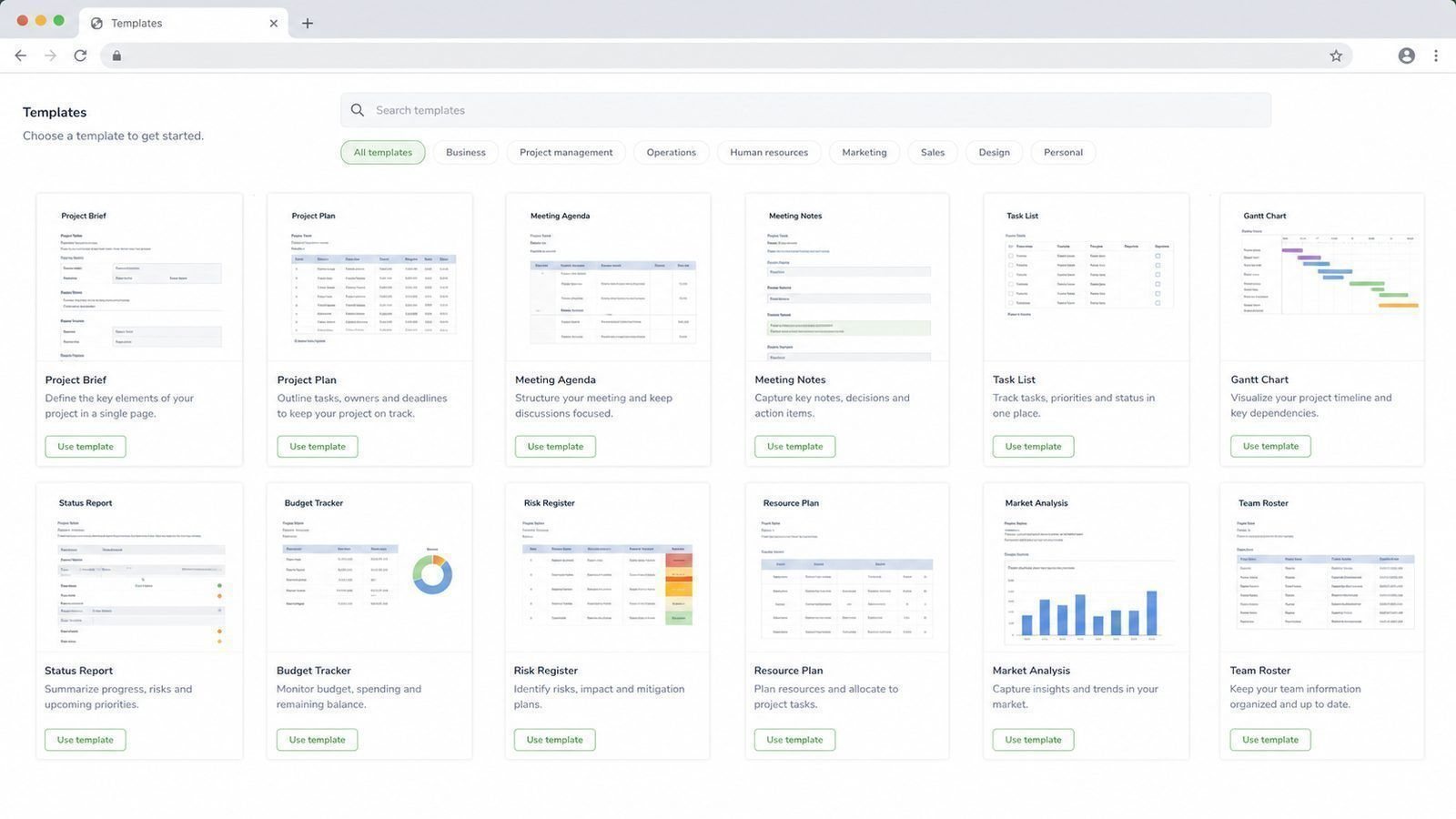
Hello there! We'll walk through a clean Word template, section by section, so nothing gets missed. 📊
| Quick answer: a good Word template keeps headings, tables and numbering consistent, so updates take minutes and the document still looks professional. |
A template is scaffolding, not a building 📝. Used well, it saves you two days of formatting and stops you forgetting a section. Used badly, it produces a plan that describes a generic business — and funders can spot a filled-in template from the first paragraph.
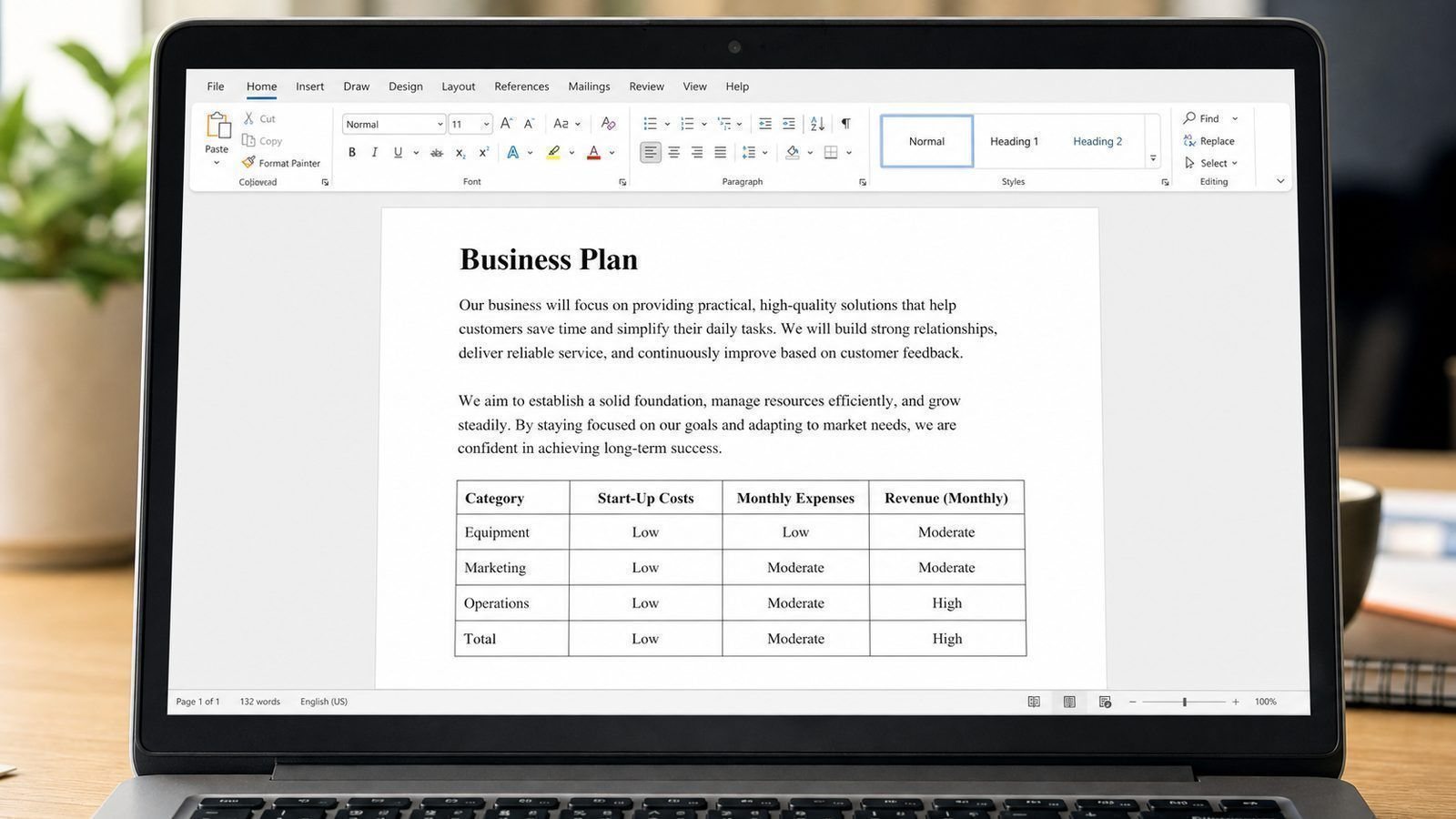
The Headings a Template Should Give You
| Heading | What you fill in |
|---|---|
| Executive summary | Five sentences plus the funding ask |
| Business description | Your products, prices, customers |
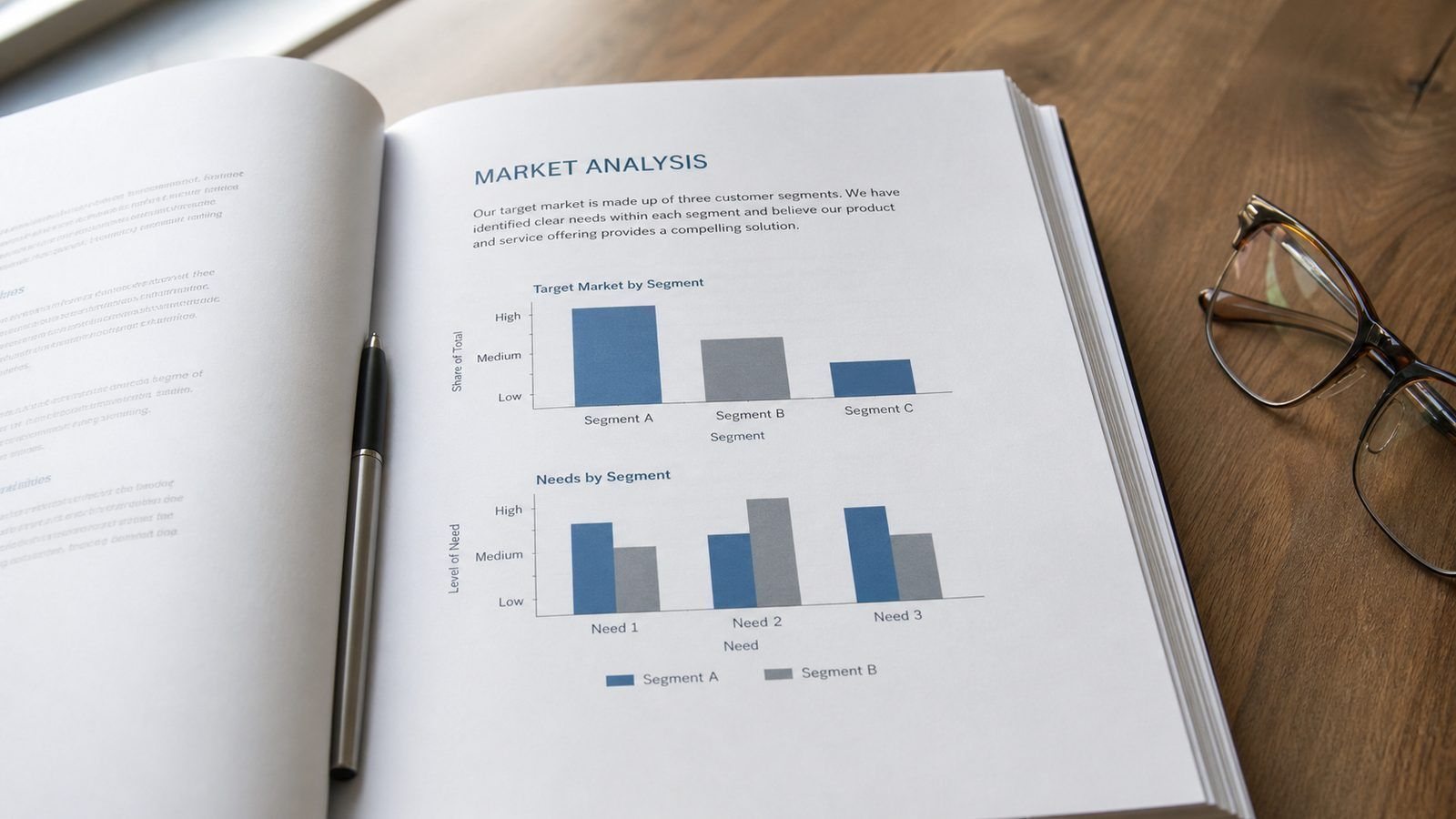
| Market analysis | Your area, your competitors, your edge |
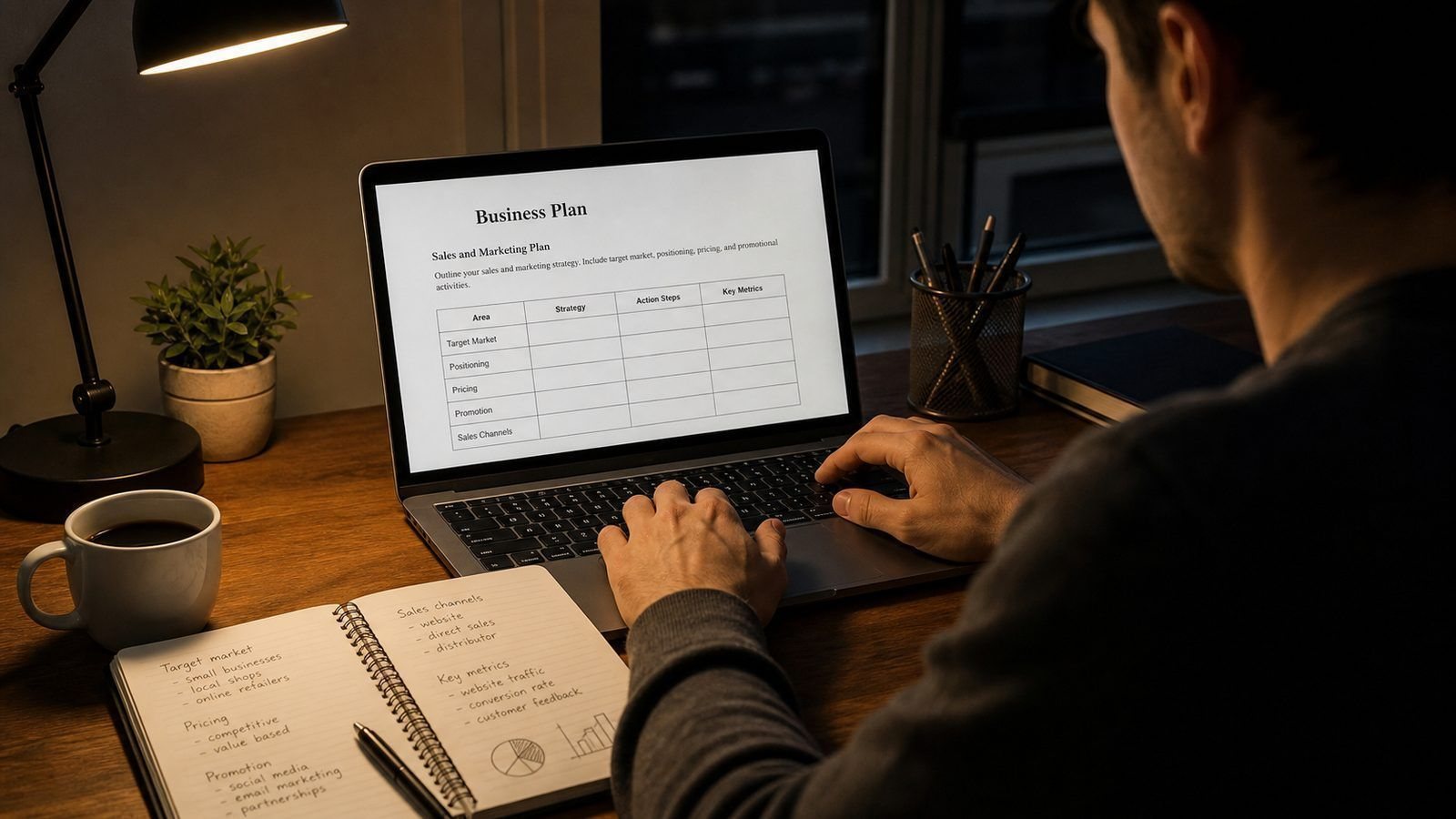
| Marketing plan | Channels, costs, expected enquiries |
| Operations | Suppliers, premises, equipment, staff |
| Financial projections | Twelve monthly columns with assumptions |
| Appendices | Quotes, registrations, CVs, letters |
Making the Financials Easy 🧩
Set one page per year with twelve columns and four rows: revenue, cost of sales, fixed costs, net. Add a small assumptions box listing price, volume and growth. Anyone reviewing the plan will jump straight to this page; make it the tidiest page in the document.
The Details People Forget 📌
- Version control: date in the footer, so you always know which copy a funder has
- Units on every number: rand, units, months
- Document properties: no stray author names from the template’s original owner
- A PDF export tested on a phone before sending
Where Templates Go Wrong
Three failures. The first is country mismatch: a template built for another market misses local funding expectations and compliance references. The second is content mismatch — a retail template stretched over a service business produces sections that describe nothing real. The third is voice mismatch: the owner’s knowledge never enters the document, so it reads like a form filled in by a stranger.
The fix for all three is the same afternoon of work: read the template once, cross out every heading that does not apply, and rewrite the survivors in your own words with your own numbers. What remains will be shorter, stronger and yours.
Building the Financial Page From Scratch
Start with one product or service and your price. Estimate how many you can realistically deliver in a week, then a month. Subtract direct costs, then fixed costs: rent, wages, transport, connectivity, subscriptions. What is left is profit before tax — and if it is thin, that is information, not failure. Thin margins at low volume are the normal starting point; what matters is showing the path to a workable one.
Then make three versions: pessimistic, realistic and good. Submit the realistic one, keep all three, and know the pessimistic numbers well enough to talk about them if asked. That single habit separates applicants who are believed from applicants who are politely thanked.
The One-Page Summary That Fronts It All
Some funders and most busy executives read exactly one page, so make it a real summary rather than a decorative cover letter. Four short paragraphs: what the business does and has proven, the market and why now, the numbers including the request, and the team plus the plan for the money.
Keep it to a single page even if that page feels crowded — crowded and complete beats elegant and vague. Then use that page as your own quality test: if the summary cannot be written clearly, the full plan does not yet have a clear story in it, and no template will supply one.
Where Templates Earn Their Keep
| Template strength | Where it fails |
|---|---|
| Section structure | Nothing real to put inside the headings |
| Table layouts | Blank rows that never get filled understandingly |
| Professional appearance | Language that describes no actual business |
| Time saved on formatting | Numbers borrowed from another industry |
Use the template for shape and formatting, then treat every number as your own research task. The businesses that do this end up with a document that looks professional and can survive a hard question — and the hard question always comes.
What to Keep in the Folder
The plan document is only half of the submission. Keep the rest in the same folder, named so a stranger can find it: company registration, tax compliance, bank statements for six months, supplier quotes, directors’ IDs and proof of address, any licences, and the financial spreadsheets behind the printed tables.
Add two files of your own. The first is a one-page summary of the business that you can send to anyone in thirty seconds. The second is an assumptions note — one page explaining where each projection number came from, because that is the page that turns a suspicious assessor into a persuaded one.
Assemble it once, update it quarterly, and the next application starts from a folder that is already 90% done.
| Template tidy list Heading styles only — no manual bold. One table style, reused. Automatic contents and page numbers. Placeholders in [brackets]. Saved as .docx with the version in the filename. |
Frequently Asked Questions
Where do I get a proper template?
From an organisation that deals with South African funders regularly. Templates designed for other countries miss local compliance and funding expectations.
Word or PDF?
Draft in Word, submit in PDF so your layout cannot shift.
How long does a plan take in a template?
About a week of part-time work if your numbers already exist ⏱️. Two days extra if you have to gather quotes and documents.
How do I know my projections are believable?
Compare them with something real: your own operating history, a competitor’s visible volume, or supplier data on what similar businesses buy. Numbers anchored to evidence survive questioning.
Can I write the plan myself and have it reviewed?
Yes — drafting yourself and paying for a professional review is the most cost-effective route, because you keep the knowledge and get a second pair of eyes on the structure.
A plan that answers the funder’s questions before they ask. See business plan packages — from R3,400Ask for a plan quotation |